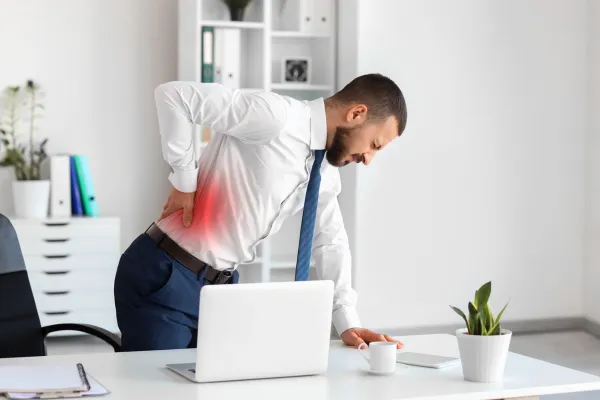
The Back Pain Solution Nobody Told You About
Lower back pain is one of the most common medical complaints worldwide, affecting up to 80% of adults at some point in their lives. It's the leading cause of disability in people under 45 and costs billions in medical treatment, lost productivity, and reduced quality of life annually.
Despite its prevalence, back pain remains poorly understood by most sufferers. The typical response is rest, pain medication, and waiting for it to resolve. When it doesn't resolve, the cycle continues: periods of pain, rest, temporary improvement, return of symptoms.
What most back pain sufferers don't realize—and what their healthcare providers sometimes fail to adequately address—is that weak core muscles are frequently a primary contributing cause. Not the proximate cause (the lifted box or twisted movement that triggered the episode), but the underlying vulnerability that made that movement damaging.
A truly strong core would have protected against that injury. Building that core strength is the genuine long-term solution.
The Core-Back Connection
Your lumbar spine is a remarkable structure—flexible enough to allow the bending, twisting, and reaching of daily life, yet strong enough to support the entire weight of your upper body. But the spine itself doesn't maintain this balance alone. It depends on a muscular support system to handle the dynamic loads of movement.
When this support system—the core—is strong, your spine is protected. Load is distributed appropriately across multiple structures. Movement happens with proper mechanics. The risk of damage from everyday activities is minimal.
When the core is weak, your spine must absorb forces it wasn't designed to handle independently. Spinal discs experience uneven pressure. Facet joints bear excessive stress. Ligaments strain to compensate for muscular inadequacy. The result, inevitably, is pain.
The obliques, transverse abdominis, multifidus, and numerous smaller stabilizer muscles collectively form this protective system. Strengthening all of them—not just the superficial rectus abdominis that crunches target—is what actually protects the spine.
Why Back Pain Sufferers Can't Do Traditional Core Exercises
Here's the cruel irony: The people who most need core strengthening are often least able to perform traditional core exercises. Back pain makes floor exercises difficult, painful, or potentially dangerous.
Crunches and sit-ups flex the lumbar spine under load—precisely the movement pattern that strains already irritated spinal structures. For people with disc problems, this movement can be genuinely harmful. For those with muscle spasm, it's simply too painful to perform consistently.
Planks compress the lumbar spine against gravity and require sustained muscle tension that can irritate inflamed tissues. Getting into and out of plank position is itself challenging and potentially risky for those experiencing acute or chronic back pain.
This creates a painful paradox: You need core exercises to address your back pain, but your back pain prevents you from doing core exercises. People get trapped in this cycle for years, experiencing periodic relief followed by inevitable recurrence.
The Walking Solution
Walking is almost universally appropriate even for people with significant back pain. It's regularly recommended by orthopedic specialists, physical therapists, and pain management physicians as one of the safest, most beneficial activities for back pain sufferers.
The reasons are straightforward. Walking is low-impact, meaning it doesn't create the compressive spinal forces associated with running or jumping. The upright position doesn't strain the lumbar spine the way lying down and trying to curl up does. The gentle movement promotes circulation and reduces the muscle guarding that often accompanies chronic pain. Walking also releases endorphins that provide natural pain relief.
Abdomen Balls™ builds on this already-appropriate activity by adding gentle core engagement during walking. The rotational arm movement activates obliques and deep stabilizers without requiring positions that might aggravate spinal issues. Core strengthening happens in an upright, naturally supported position.
This is the back-safe path to core strength. Instead of fighting through painful floor exercises, you're building the same muscles through a movement your body and spine can actually tolerate.
Progressive Strength Building for Back Pain
The key principle for using Abdomen Balls™ with back pain is gradual, progressive loading. You're not starting at full intensity. You're beginning at whatever level your current condition permits and building from there.
Initial walks might be short—10-15 minutes—with gentle, minimal arm movement. You're simply getting accustomed to the device while keeping your core mildly engaged. At this stage, the primary benefit is habituating to upright movement with light added resistance.
As pain diminishes and strength builds, gradually extend walk duration. Begin making the arm movement more intentional—not forced or exaggerated, but conscious and deliberate. You're now actively engaging your core rather than just tolerating the device.
As weeks pass and core strength meaningfully improves, the functional benefits begin manifesting. Your core can better support your spine during daily activities. The muscles that protect your back are stronger. Pain episodes become less frequent and less severe.
This progression takes time—often six to twelve weeks of consistent use before significant pain reduction becomes evident. But unlike pain medication that treats symptoms temporarily, this approach addresses underlying muscle weakness. The improvements are structural, lasting, and self-reinforcing.
What Happens as Your Core Strengthens
The transformation that occurs as core strength builds is multi-dimensional and profound for chronic back pain sufferers.
Better spinal support means your vertebral discs experience more even pressure distribution. The excessive loading on specific areas that caused pain is relieved as core muscles take appropriate shares of the load. Disc inflammation decreases. Pain reduces.
Improved posture follows naturally. As core muscles strengthen, maintaining erect posture requires less conscious effort. The constant forward lean and slouch that strains posterior spinal structures diminishes. You stand taller with less effort, and your back feels better throughout the day.
Reduced muscle guarding—the protective tightening that often accompanies chronic back pain—occurs as the back muscles receive appropriate support from the core. When your spine is truly supported, back muscles can relax from their exhausting protective role. Tension and stiffness decrease.
Daily activities that previously triggered pain become manageable. Grocery shopping, housework, yard work, playing with children—activities you may have been avoiding due to back pain—become accessible again as your core strengthens and protects your spine.
Important Caveats
Back pain has many causes, and not all are equally responsive to core strengthening. Structural issues, nerve compression, inflammatory conditions, and other specific diagnoses may require medical treatment beyond exercise alone.
Always consult with your healthcare provider before beginning new exercise with significant back pain. Most providers will support gentle walking, but understanding your specific diagnosis helps ensure appropriate activity choices.
Abdomen Balls™ is not a medical device and is not intended to diagnose, treat, or cure any medical condition. It's a fitness tool that, when used appropriately as part of a broader approach to health, may contribute to the core strength improvements that many people find helpful for back pain management.
With these caveats appropriately noted, the general principle remains sound: stronger core muscles better support the spine, and walking-based core training is among the safest ways to build that strength for people with back pain.
Conclusion
Back pain affects your entire life—your work, your relationships, your ability to participate in activities you love. When the root cause is inadequate core strength, the solution isn't more rest or more medication. It's appropriate, sustainable core strengthening.
Abdomen Balls™ provides that strengthening through the walking activity that's already appropriate and safe for most back pain sufferers. It's not a miracle cure, but it is a genuinely effective approach to the actual underlying problem for millions of back pain sufferers.
Take the first step toward a stronger back. Join the Abdomen Balls™ waitlist today.